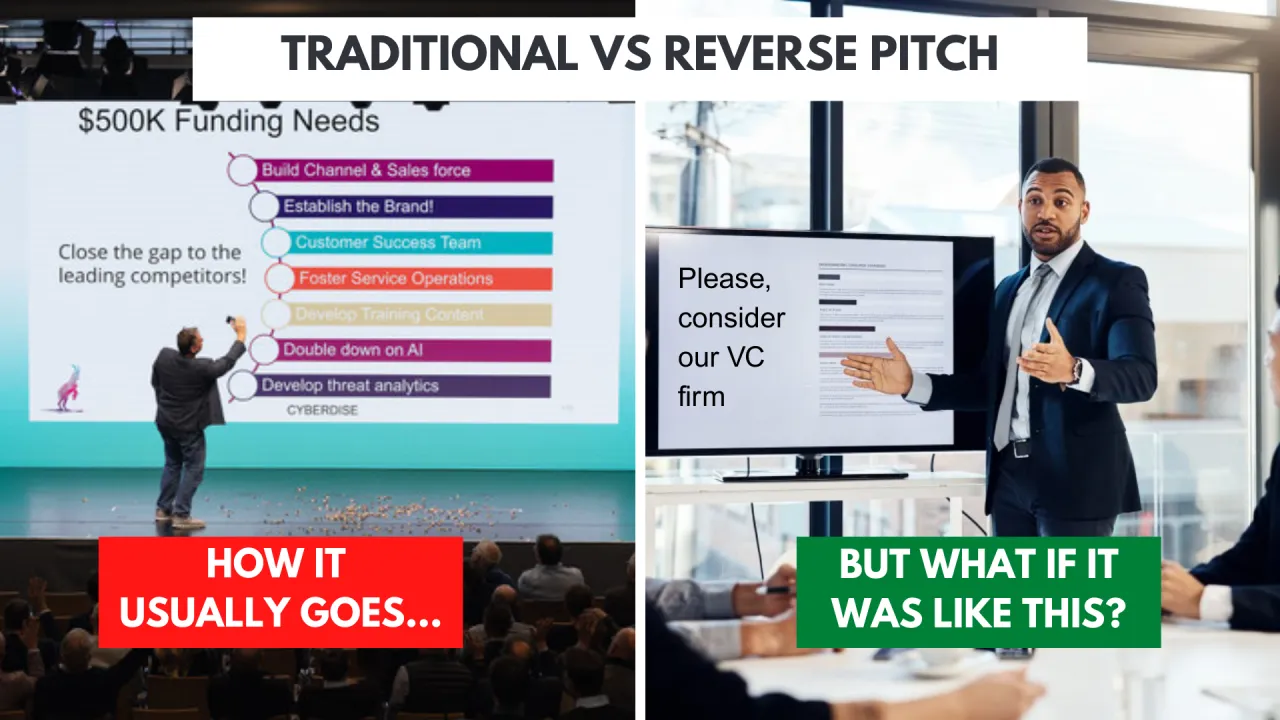
Reverse pitching turns the tables: investors, business angels and VCs apply to startup founders to be allowed to invest in their companies. Whether that is a good idea has two answers: no and yes.
Research, guides and category thinking on Behavioral Defense.

Reverse pitching turns the tables: investors, business angels and VCs apply to startup founders to be allowed to invest in their companies. Whether that is a good idea has two answers: no and yes.

After hundreds of conversations with investors over the past 15 years, the author turns the pitch around: five qualities worth wanting in an investor, and five to be wary of.

Product-market fit only makes things easier if you’ve got the rest right. Just having something on offer that people want does not guarantee business success.

October marks Cybersecurity Awareness Month, a time to remember that people remain the weakest link in cyber defense. This article traces how security awareness has evolved and what building a strong cybersecurity culture has in common with building a winning hockey team.

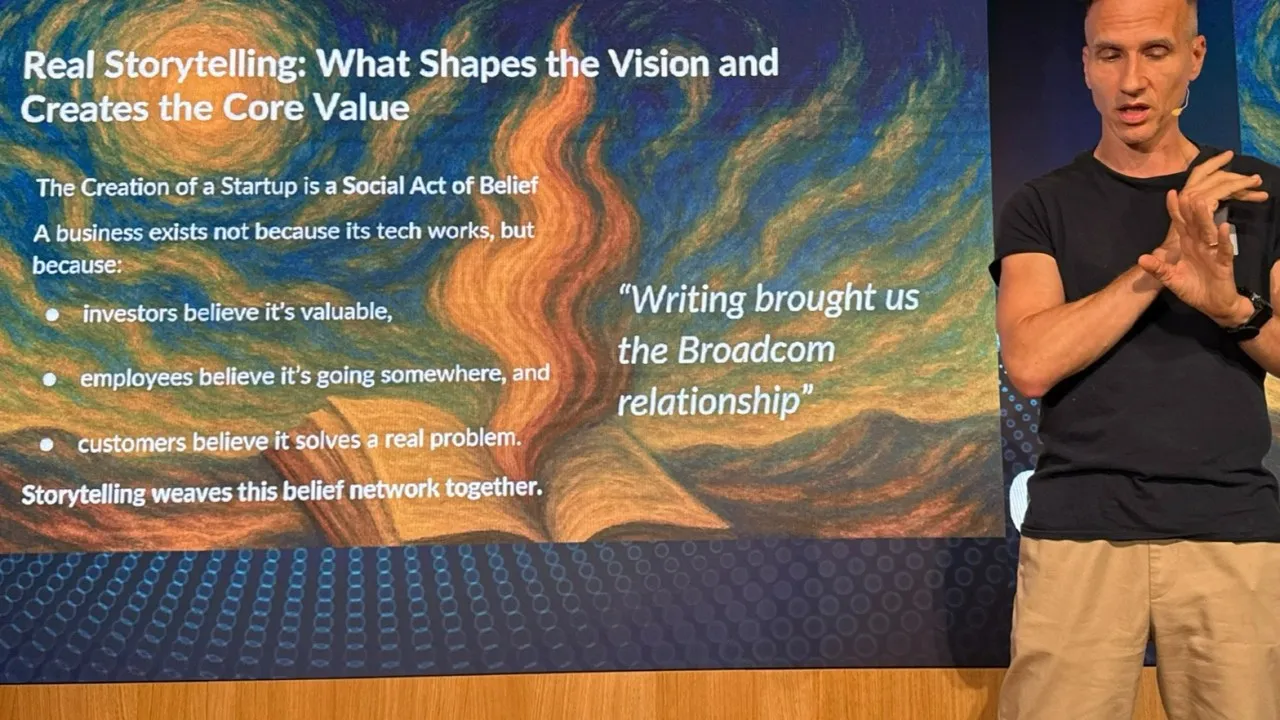
What an entrepreneur with two exits learned from the experiences of a tech entrepreneur who has already had two exits. The takeaways range from team composition and storytelling to vision and relationships with the US.

Despite comprehensive security awareness training, many organizations still have cybersecurity breaches resulting from human error. This article is about the gap between risk attitude (knowing what is risky) and risk behavior (actually acting securely).

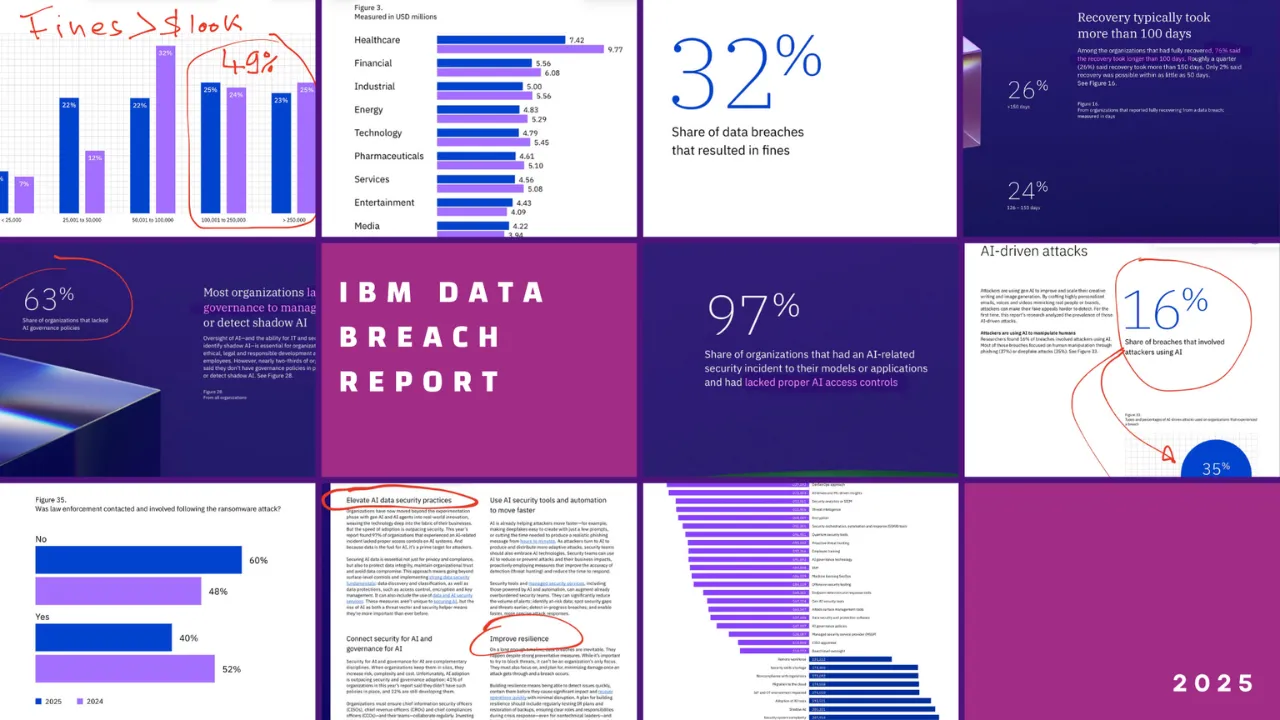
The IBM Cost of a Data Breach Report has been published every year for two decades. It’s often read for the numbers, but this year’s report says something more fundamental about cybersecurity awareness.

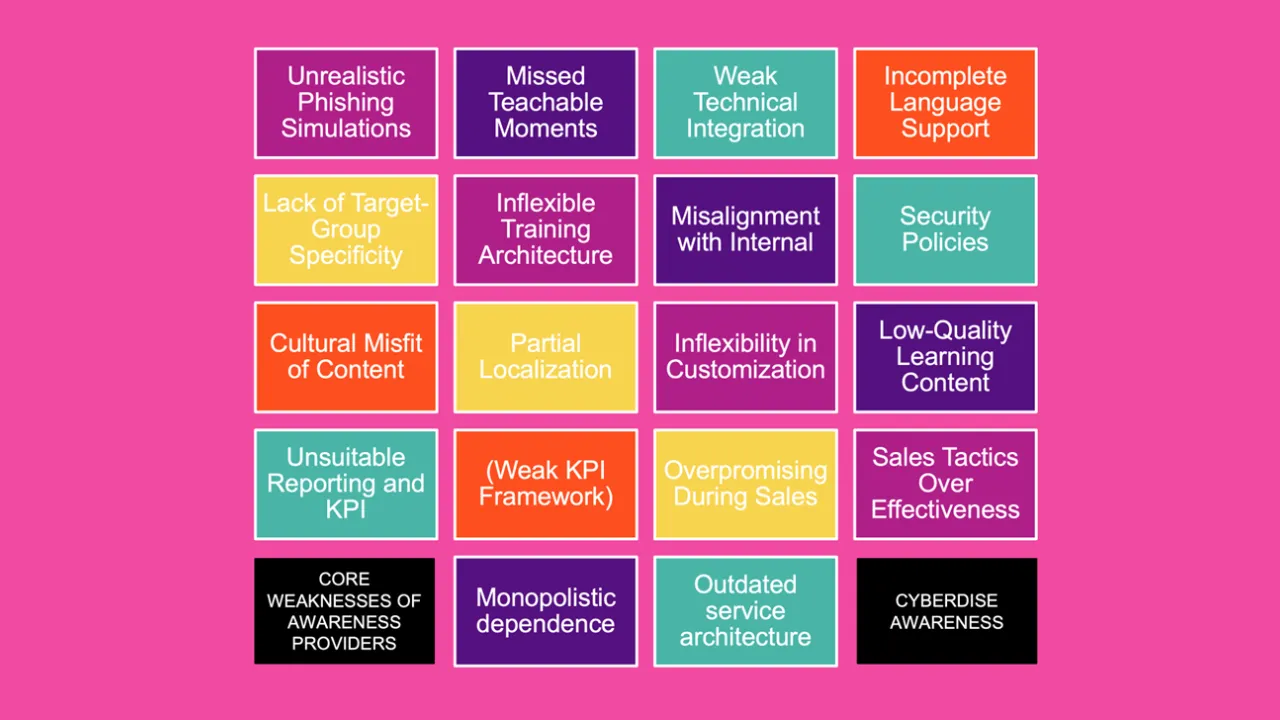
Many security awareness providers and solutions cannot cover what their customers require. This article lists their common weaknesses and the practical steps larger organizations can take to address them.

The Marks & Spencer cyber attack shows that large companies with complex organizations, many languages and multiple LMS systems need cybersecurity awareness solutions designed to meet such challenges. Otherwise, there is a risk of group-wide failure.

In our irregular series on the biggest cyber heists in history, this post analyzes the Bybit, MGM and Sony hacks: what happened, how it happened, who noticed it, what damage was done and what the consequences were. At the end, we compare the cases and consider what could have been done better, also from a cybersecurity awareness perspective.

By exploiting details from your LinkedIn profile, Facebook posts or company website, attackers can craft highly personalized phishing scams that are harder to detect and resist. This article explores how cybercriminals turn your online presence into a weapon and shares tips to help you stay safe.

The U.S. presidential election was hit with billions of cyberattacks – 6 billion, to be exact – and somehow, things held up. Now Germany’s snap election is just weeks away, and experts are already sounding the alarm.