When people picture a phishing simulation, they think of a suspicious email, a link and a fake Microsoft login page. The cyberattack on the Berlin administration is a pretty good example of why that view has become a little too narrow.
When people picture a phishing simulation, they think of a suspicious email, a link and a fake Microsoft login page. The cyberattack on the Berlin administration is a pretty good example of why that view has become a little too narrow.
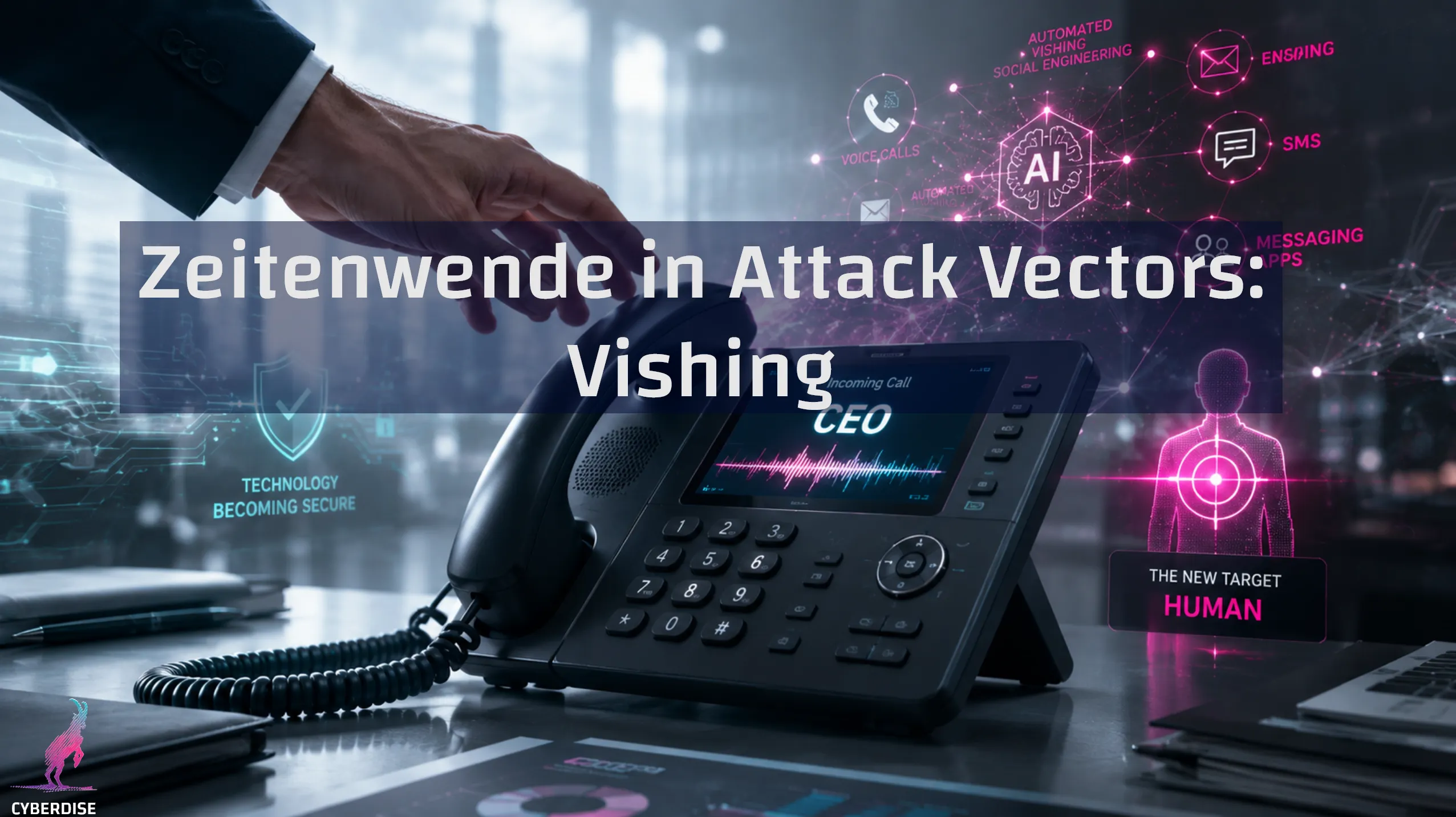
Attackers no longer hide only behind emails: they call your team directly, armed with AI-powered voice clones that are indistinguishable from trusted managers or partners. A realistic vishing simulation makes your employees’ reaction visible — before a real attacker does.

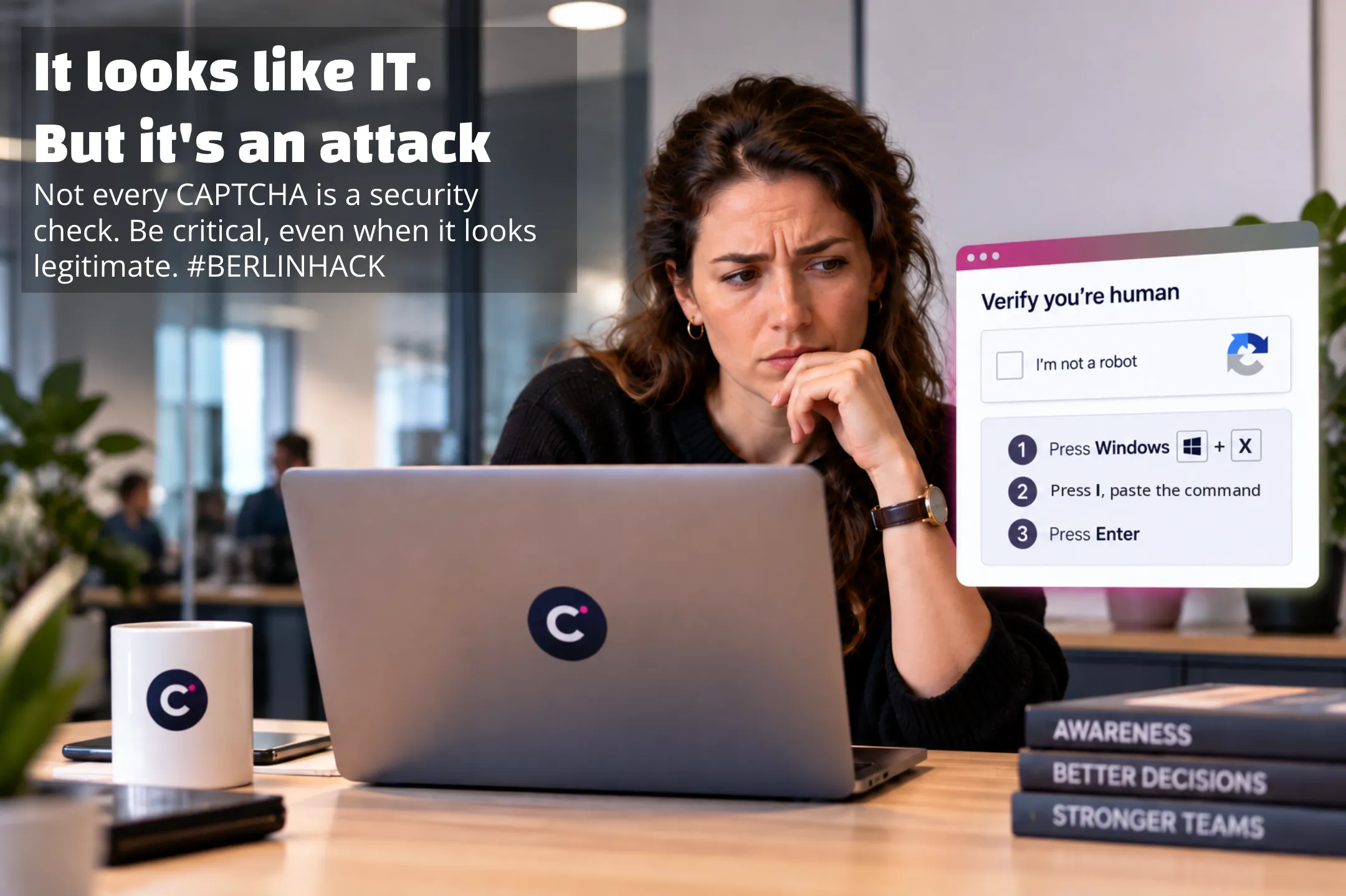
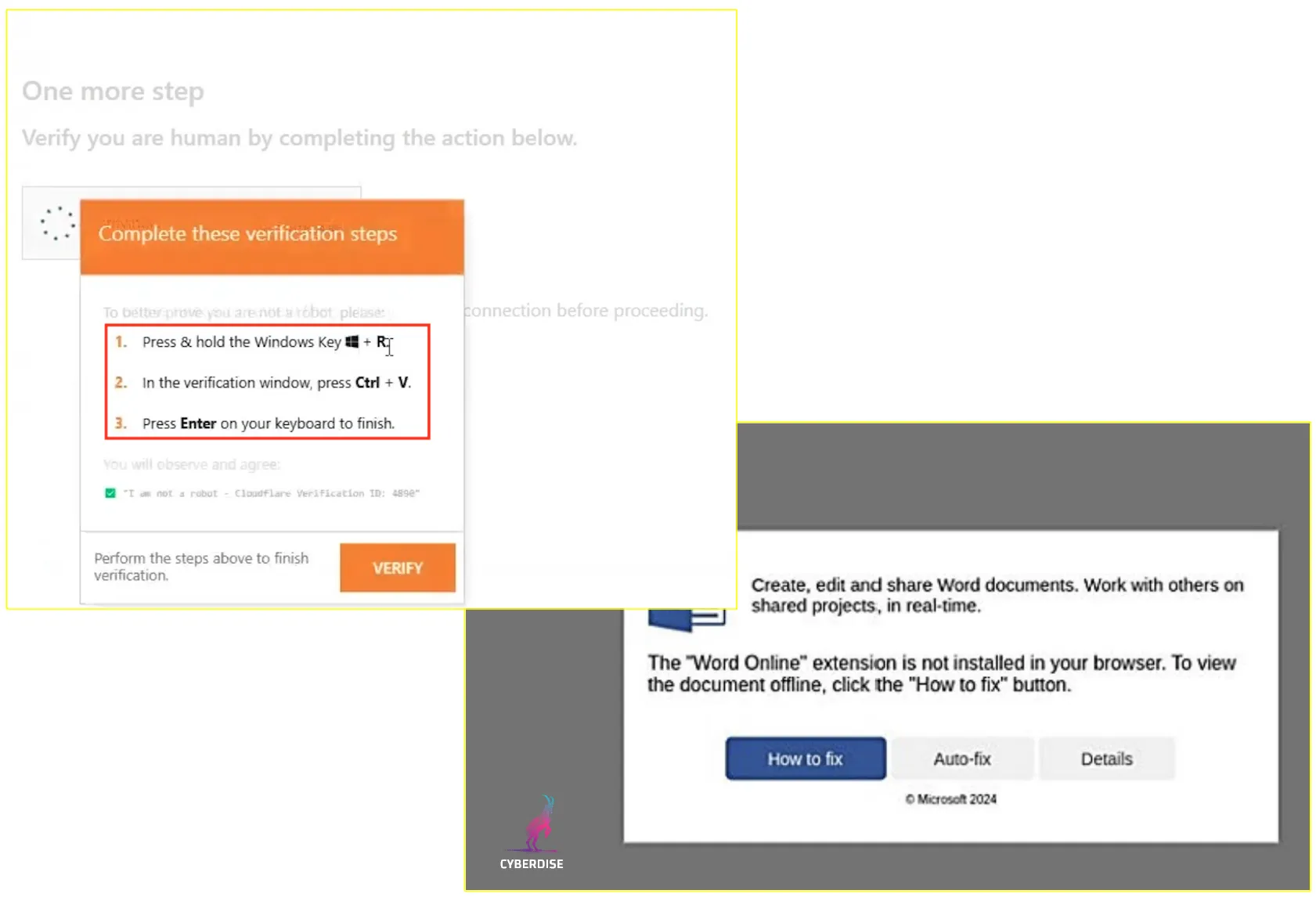
ClickFix does not ask employees to open a malicious attachment. It guides them through what looks like a routine repair or verification step until they execute the attack themselves. Here is how to build a ClickFix simulation in Cyberdise Awareness — from scenario selection to delivery and measurement.

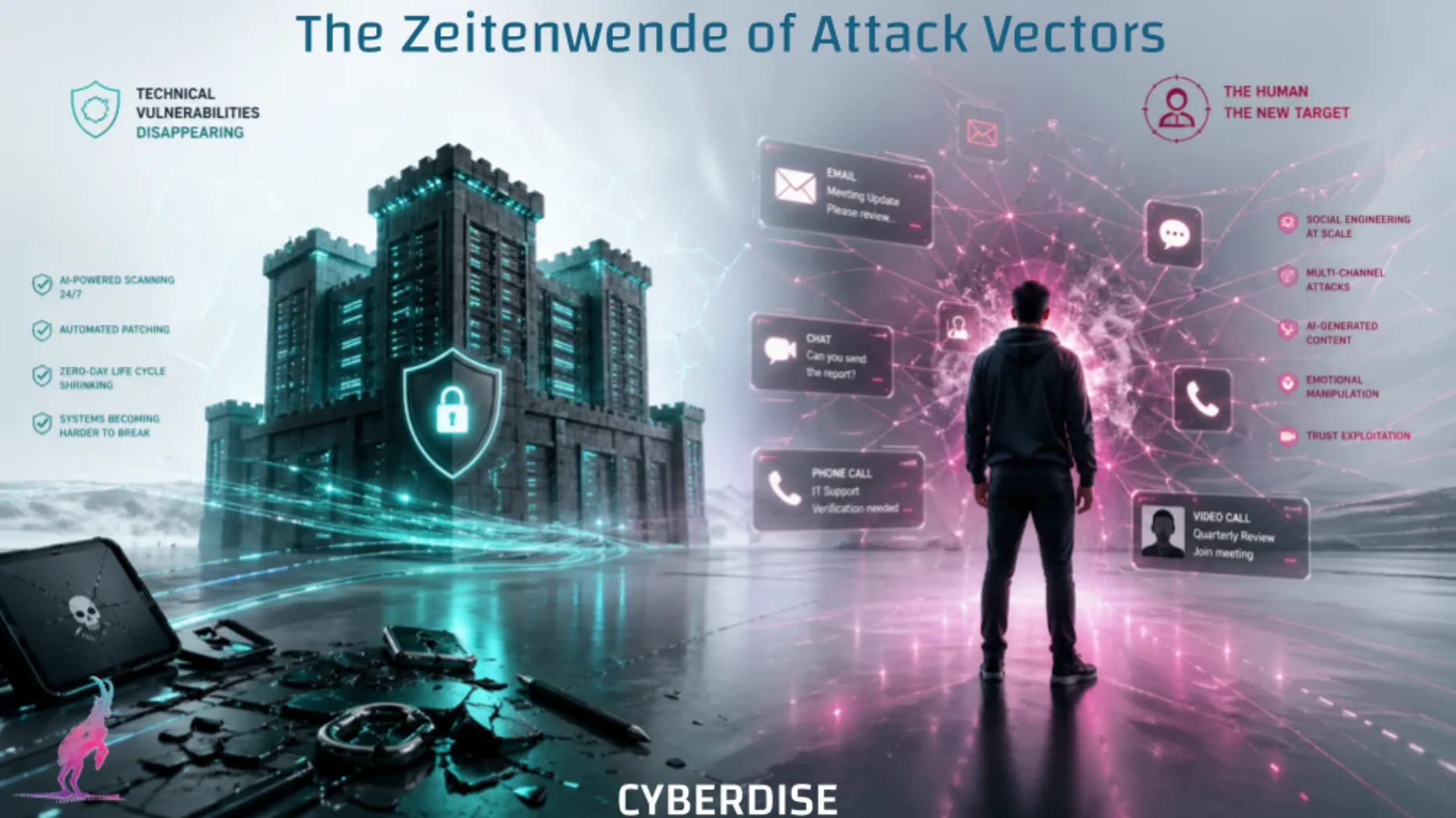
What happens when technical vulnerabilities disappear in the future – and humans become the primary target? There is a lot of talk right now about AI becoming the better hacker. That is only the first phase; the real shift begins after it.

By exploiting details from your LinkedIn profile, Facebook posts or company website, attackers can craft highly personalized phishing scams that are harder to detect and resist. This article explores how cybercriminals turn your online presence into a weapon and shares tips to help you stay safe.

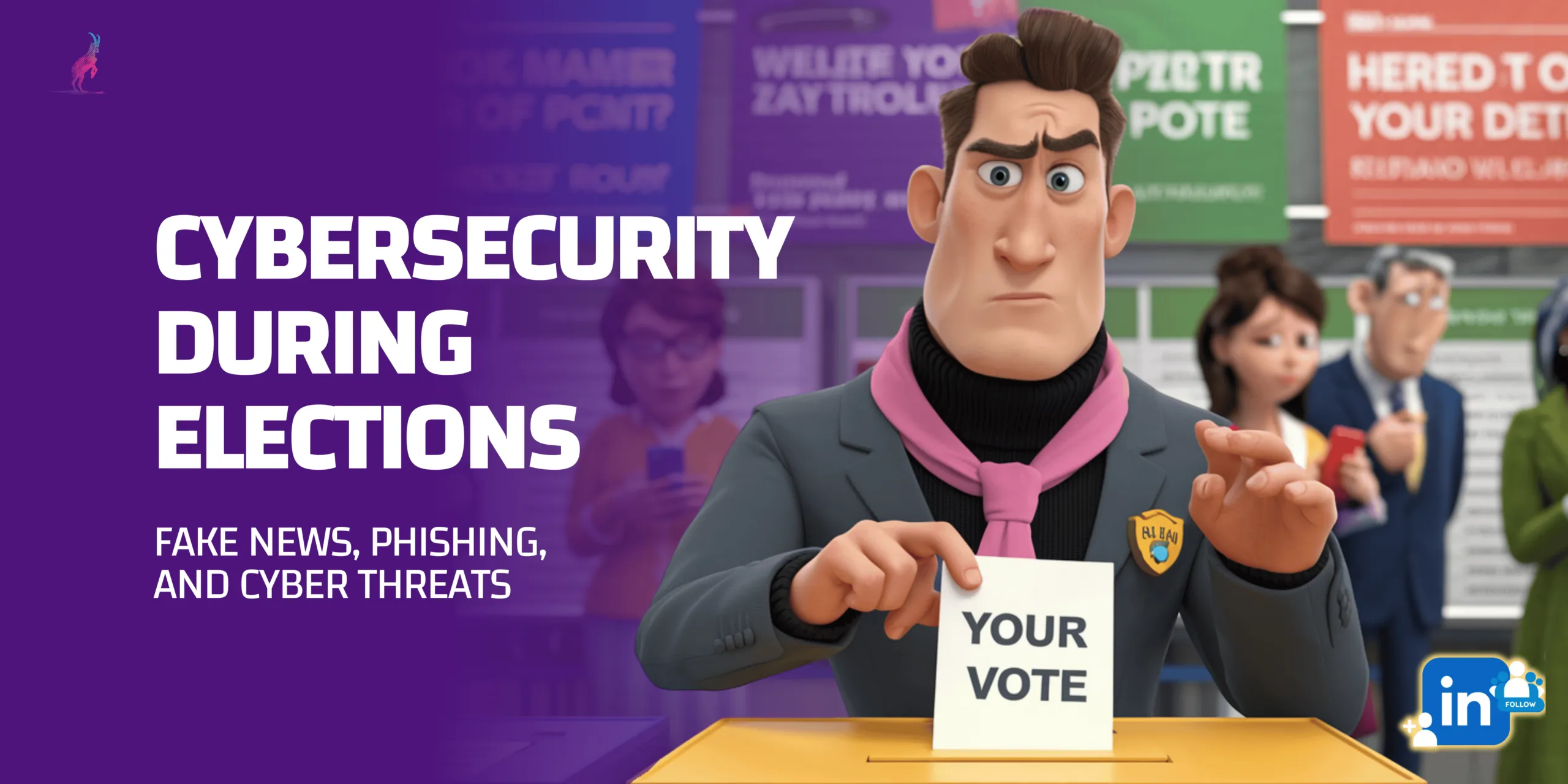
The U.S. presidential election was hit with billions of cyberattacks – 6 billion, to be exact – and somehow, things held up. Now Germany’s snap election is just weeks away, and experts are already sounding the alarm.

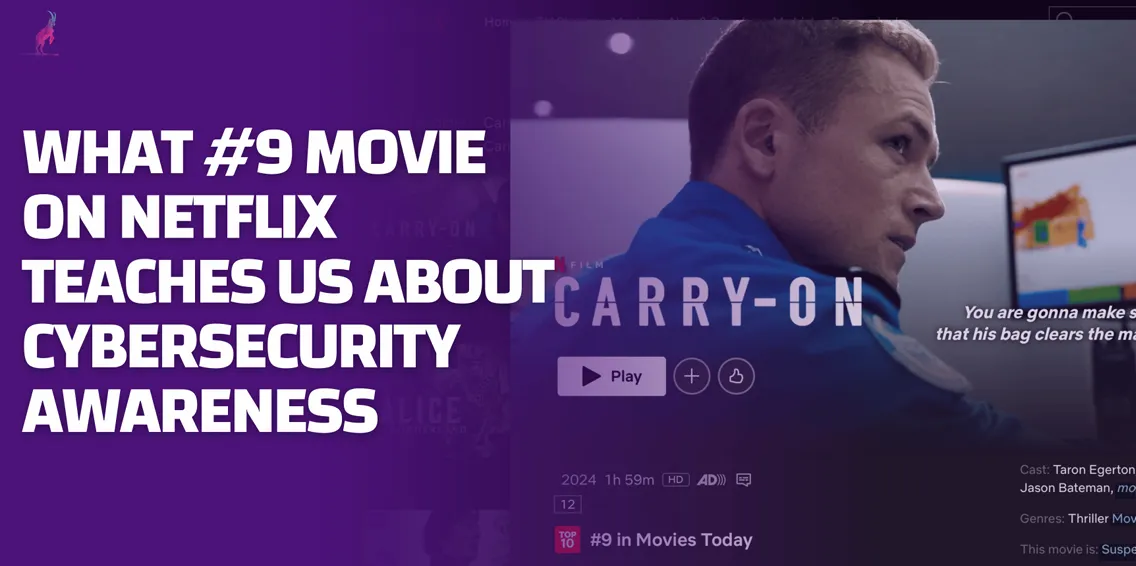
While “Carry-On” primarily focuses on physical security in an airport, its themes resonate deeply with today’s cybersecurity challenges. The movie is a stark reminder of how vulnerabilities, both technological and human, can be exploited with devastating consequences.

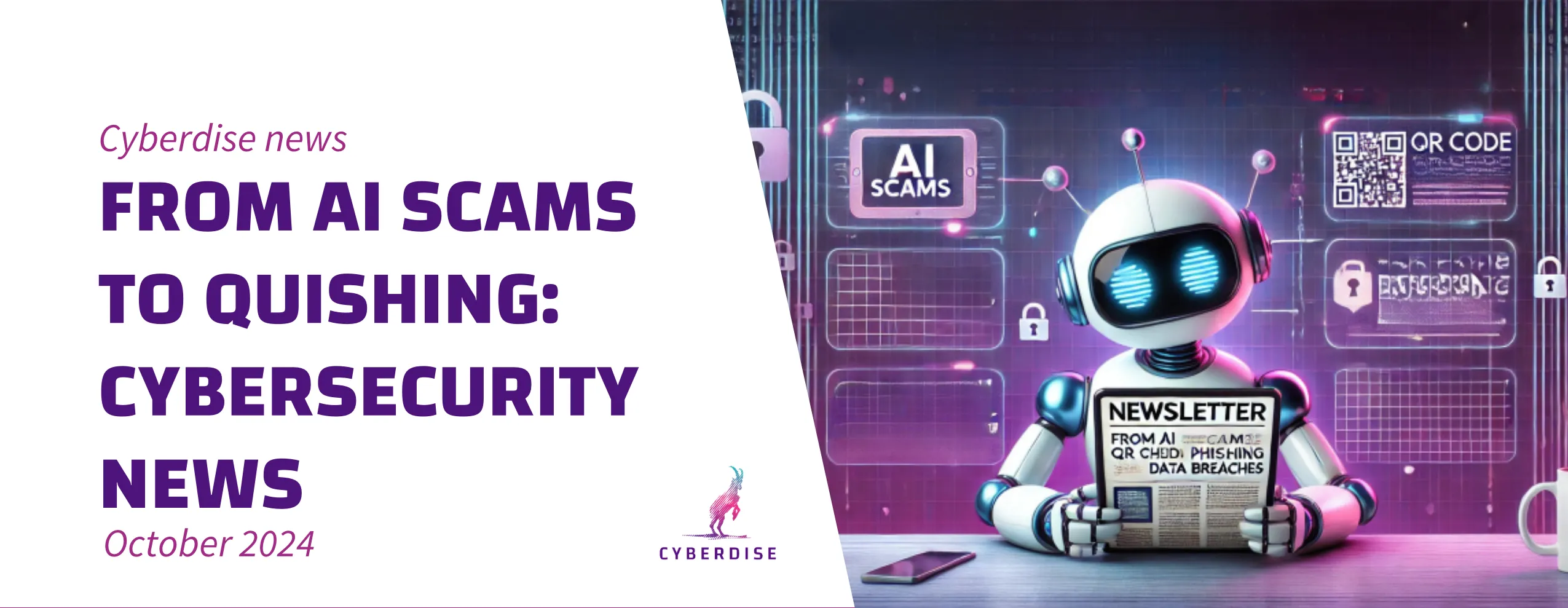
A finance employee at a multinational company was duped into transferring $25 million during a fake video conference with deepfaked colleagues. This round-up also covers QR code phishing and a North Korean phishing attack on Diehl Defense.

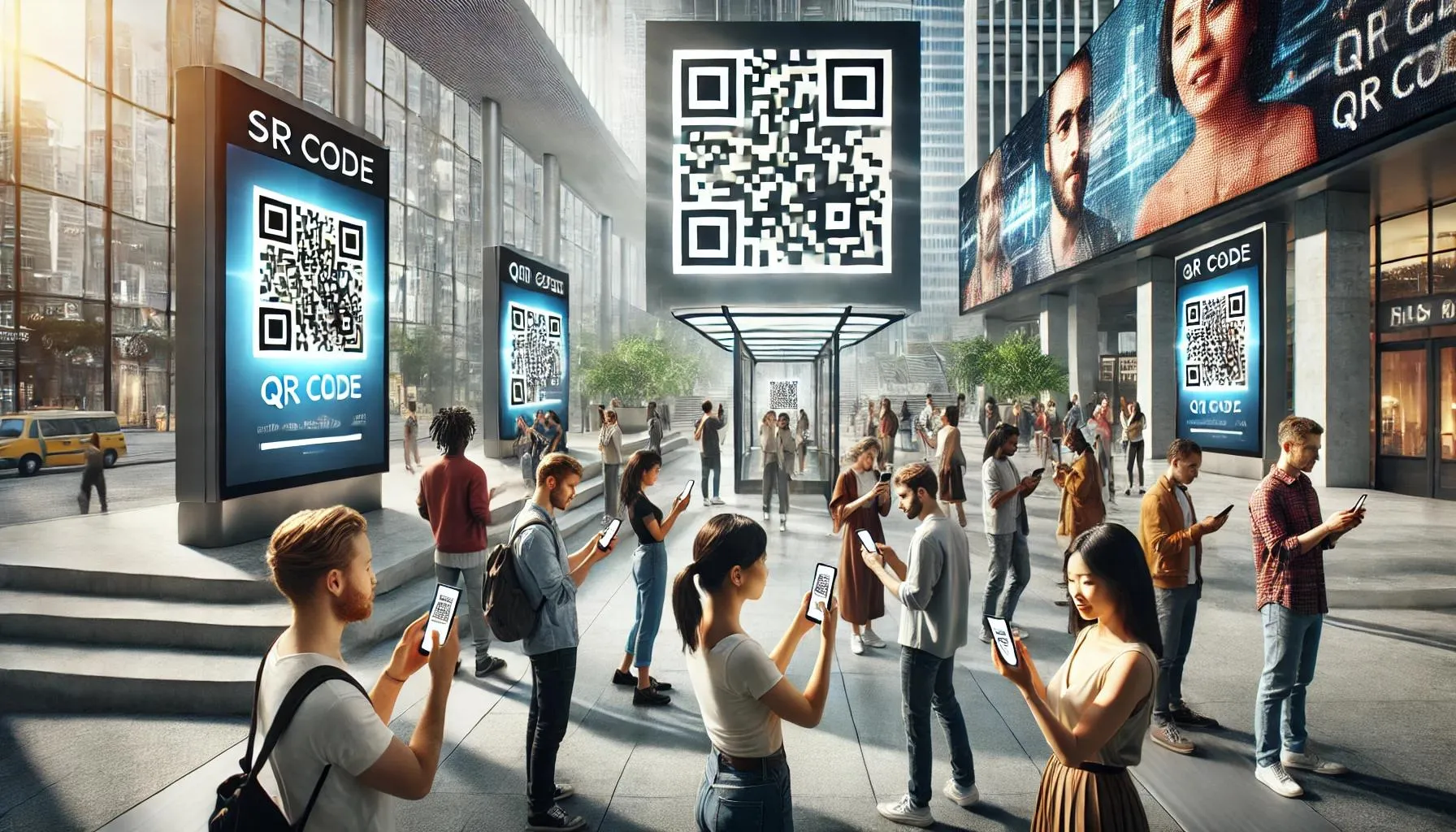
Quishing is a new type of phishing attack: scammers hide harmful links in innocent-looking QR codes, putting your business and employees at risk.