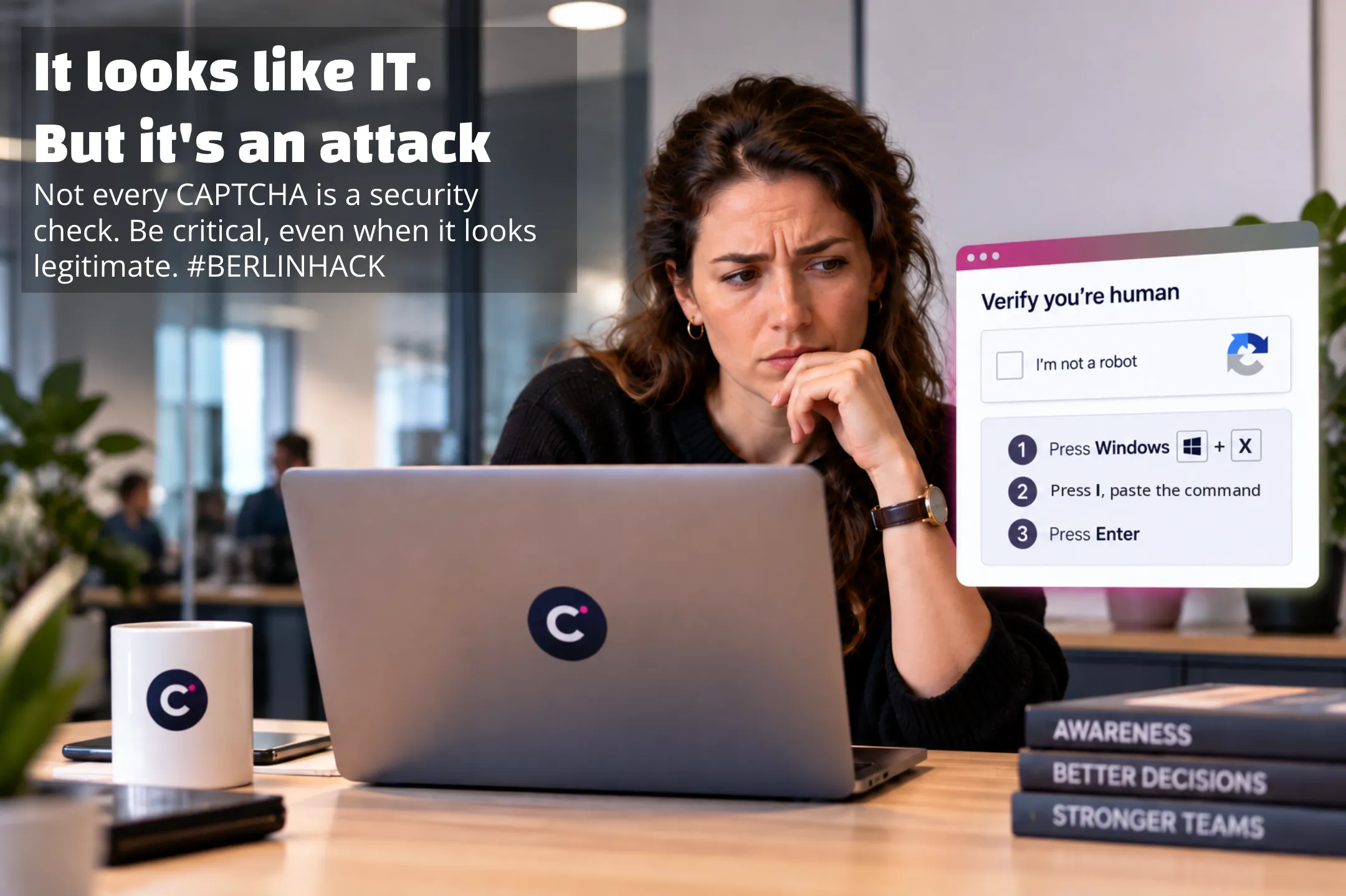
When people picture a phishing simulation, they think of a suspicious email, a link and a fake Microsoft login page. The cyberattack on the Berlin administration is a pretty good example of why that view has become a little too narrow.
When people picture a phishing simulation, they think of a suspicious email, a link and a fake Microsoft login page. The cyberattack on the Berlin administration is a pretty good example of why that view has become a little too narrow.
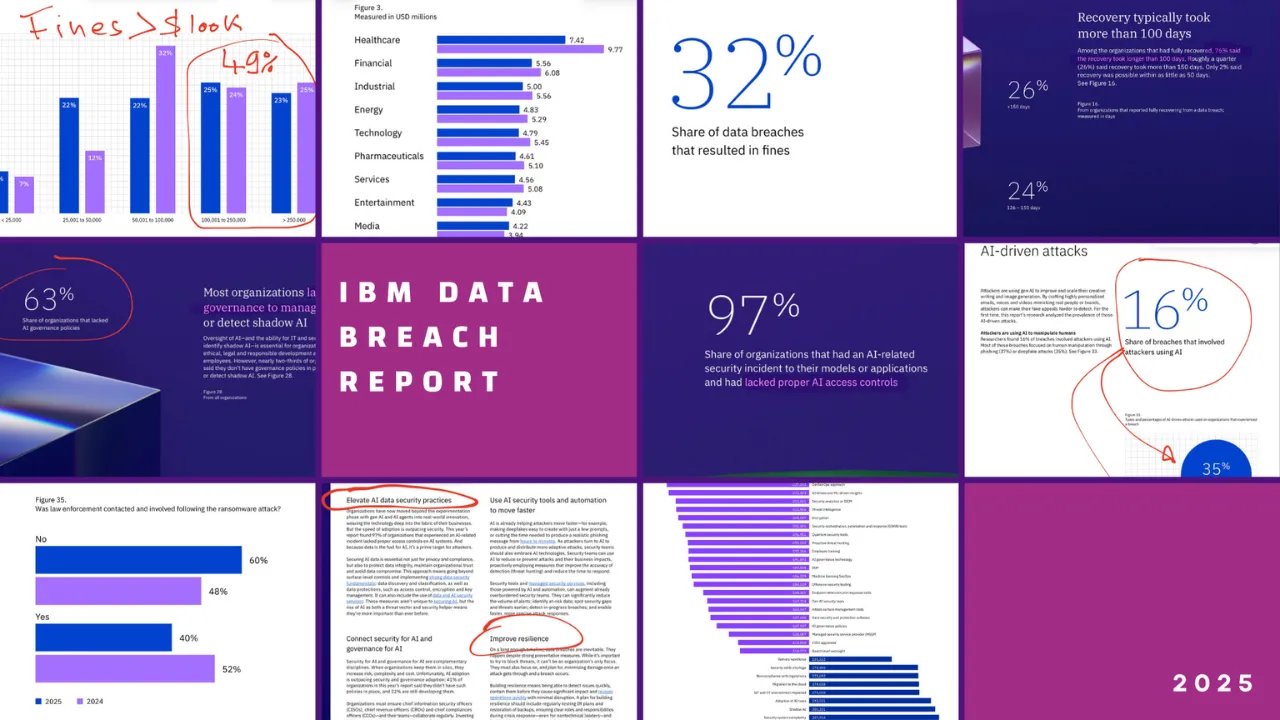
IBM’s Cost of a Data Breach Report 2026 puts the global average cost of a breach at a record USD 4.99 million. Two other figures in the same report tell you more: 63% and 247.

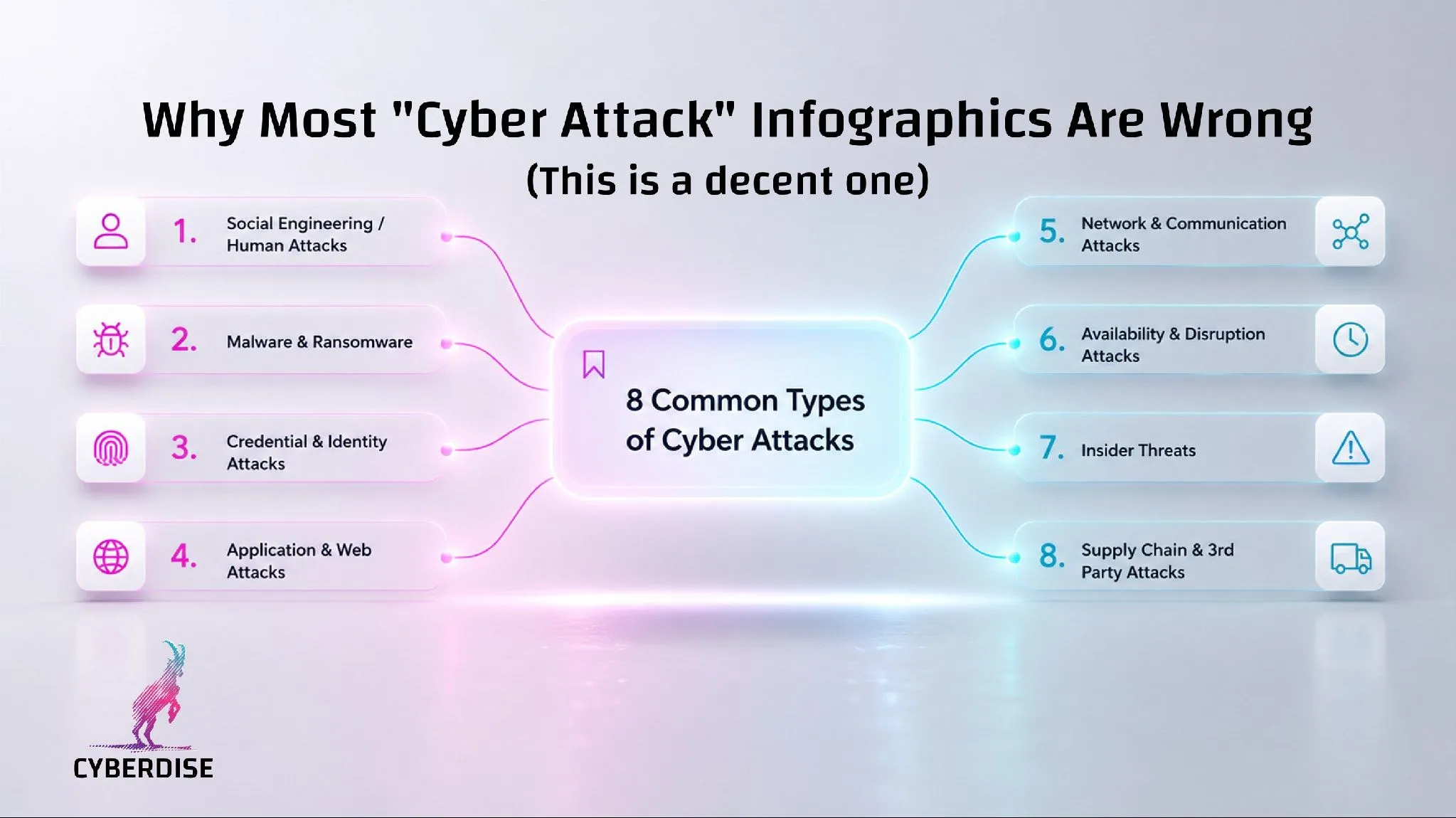
Most cyber attack infographics mix malware families, attack techniques, vulnerabilities and threat actors into one list. A poor taxonomy leads to poor decisions — so here is a clearer one for 2026: eight categories, each defined by the primary attack vector.

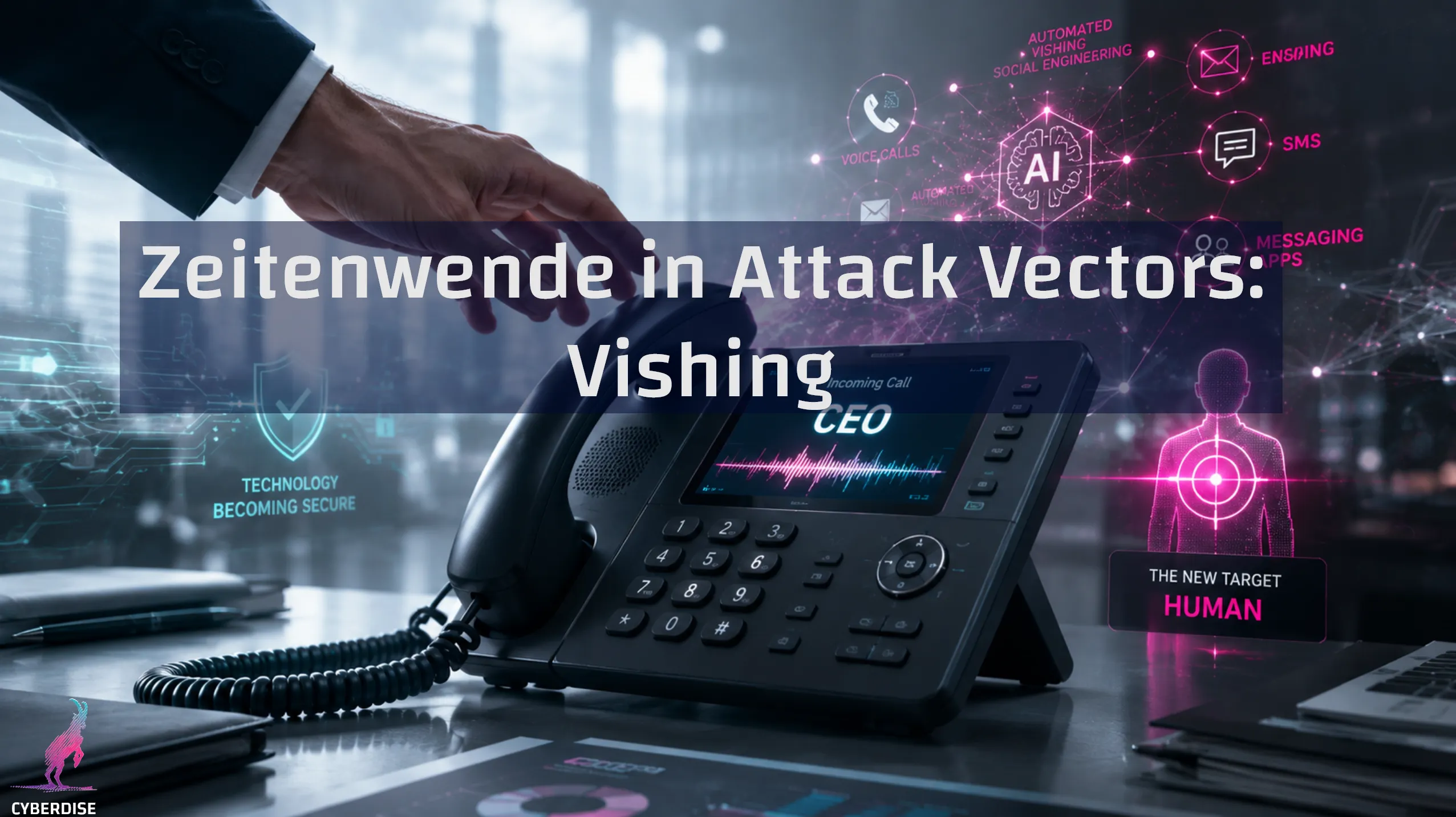
Attackers no longer hide only behind emails: they call your team directly, armed with AI-powered voice clones that are indistinguishable from trusted managers or partners. A realistic vishing simulation makes your employees’ reaction visible — before a real attacker does.

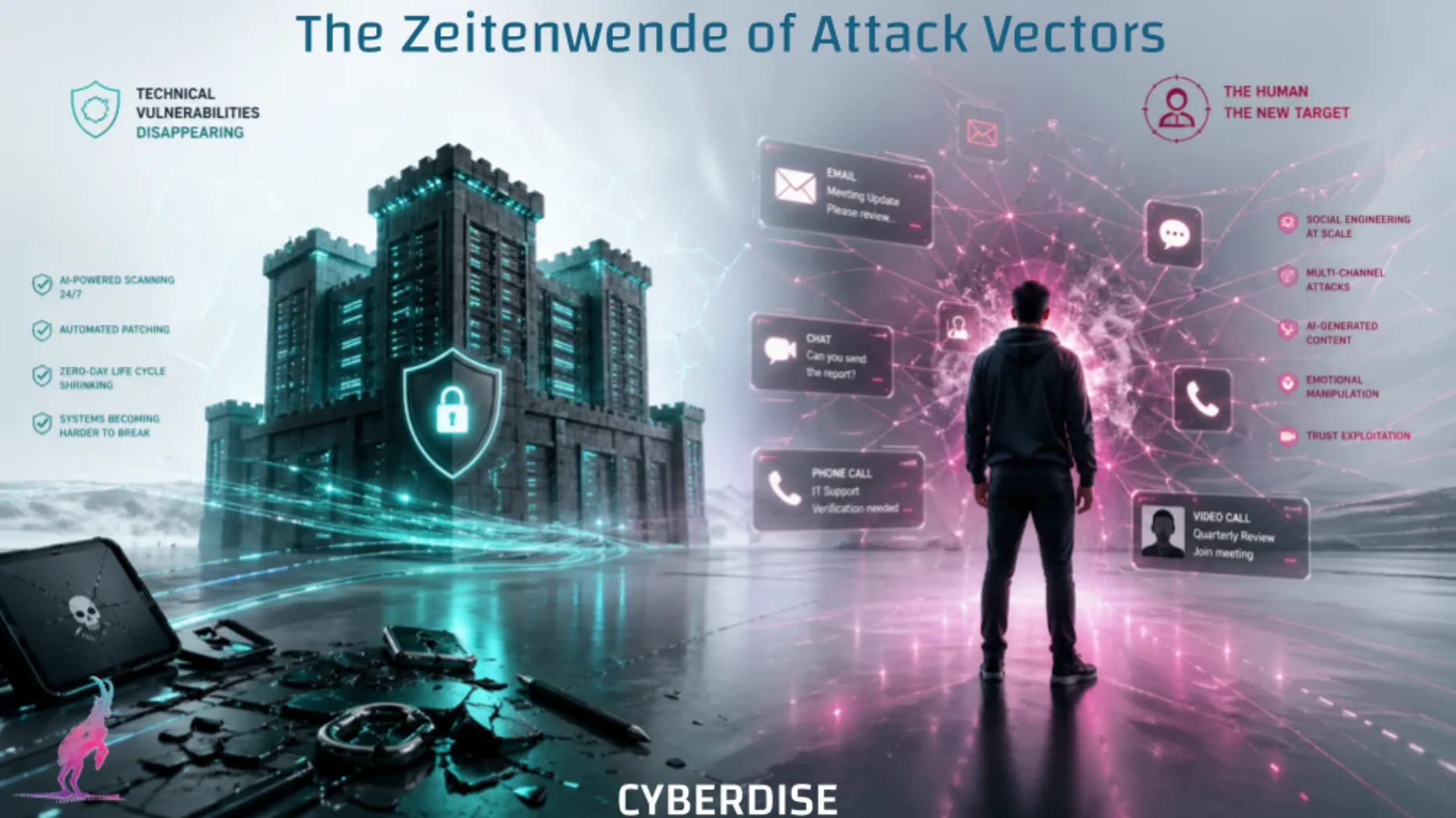
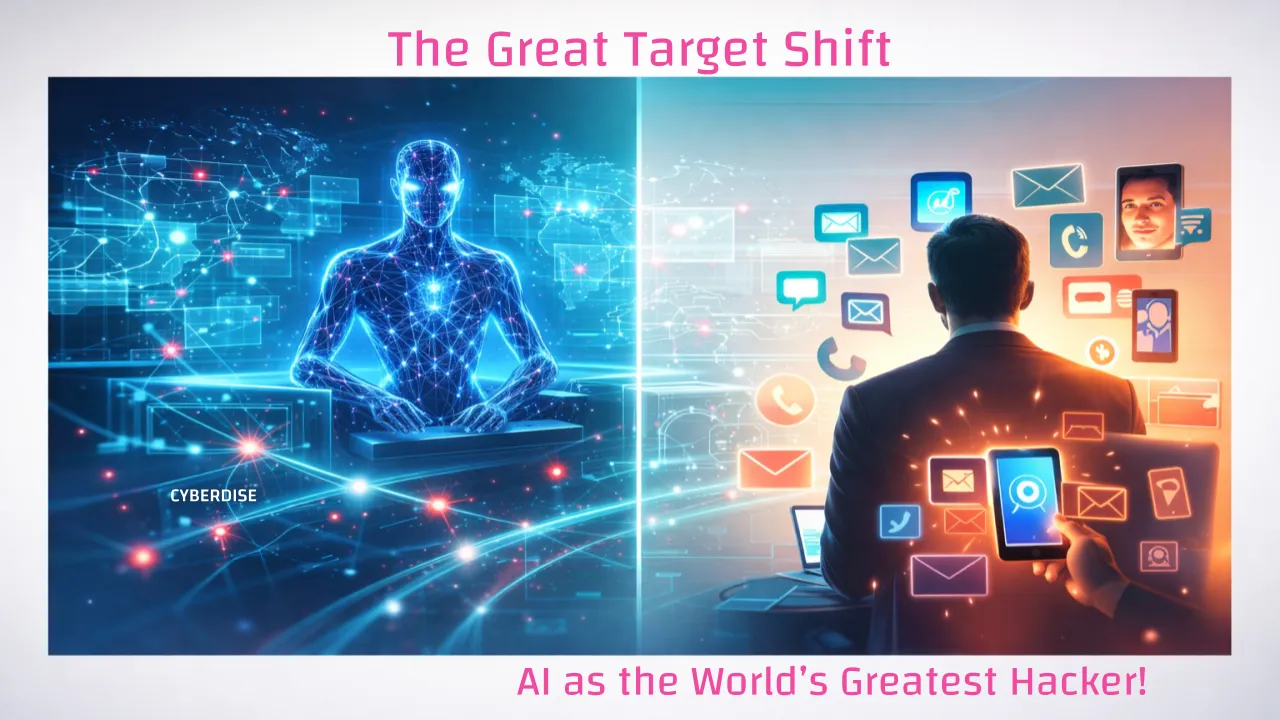
What happens when technical vulnerabilities disappear in the future – and humans become the primary target? There is a lot of talk right now about AI becoming the better hacker. That is only the first phase; the real shift begins after it.

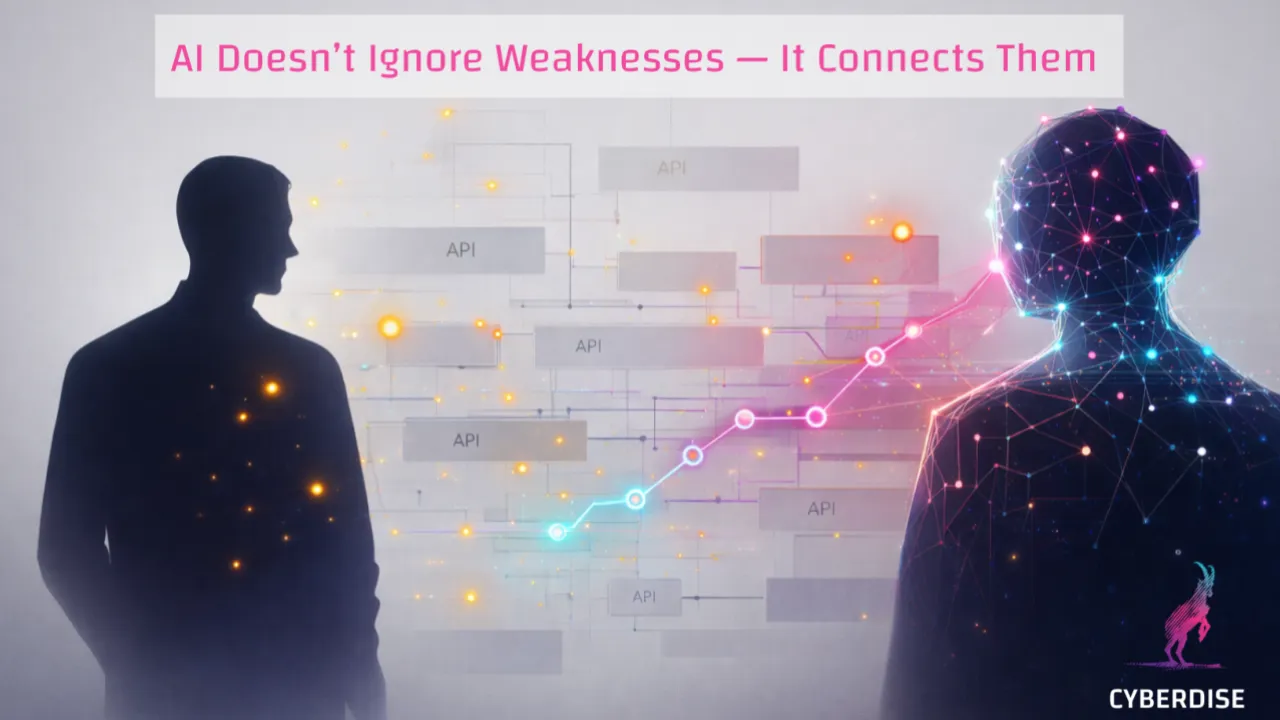
Anthropic's “Mythos” is a model that finds vulnerabilities like no human before it. But what happens when such systems don't just find things, but systematically expose everything?

Anthropic's new model Mythos is said to be exceptionally good at finding bugs and vulnerabilities in software. How exploitable many of them are remains unclear, at least for humans — but AI does not think like a human, so they must still be fixed.

The IBM Cost of a Data Breach Report has been published every year for two decades. It’s often read for the numbers, but this year’s report says something more fundamental about cybersecurity awareness.

In our irregular series on the biggest cyber heists in history, this post analyzes the Bybit, MGM and Sony hacks: what happened, how it happened, who noticed it, what damage was done and what the consequences were. At the end, we compare the cases and consider what could have been done better, also from a cybersecurity awareness perspective.

By exploiting details from your LinkedIn profile, Facebook posts or company website, attackers can craft highly personalized phishing scams that are harder to detect and resist. This article explores how cybercriminals turn your online presence into a weapon and shares tips to help you stay safe.

The U.S. presidential election was hit with billions of cyberattacks – 6 billion, to be exact – and somehow, things held up. Now Germany’s snap election is just weeks away, and experts are already sounding the alarm.