Skip to content

Topic: awareness

Risk illustration
comparisonRisk Attitude vs Risk Behavior: Are You Training the Wrong Thing?

Despite comprehensive security awareness training, many organizations still have cybersecurity breaches resulting from human error. This article is about the gap between risk attitude (knowing what is risky) and risk behavior (actually acting securely).
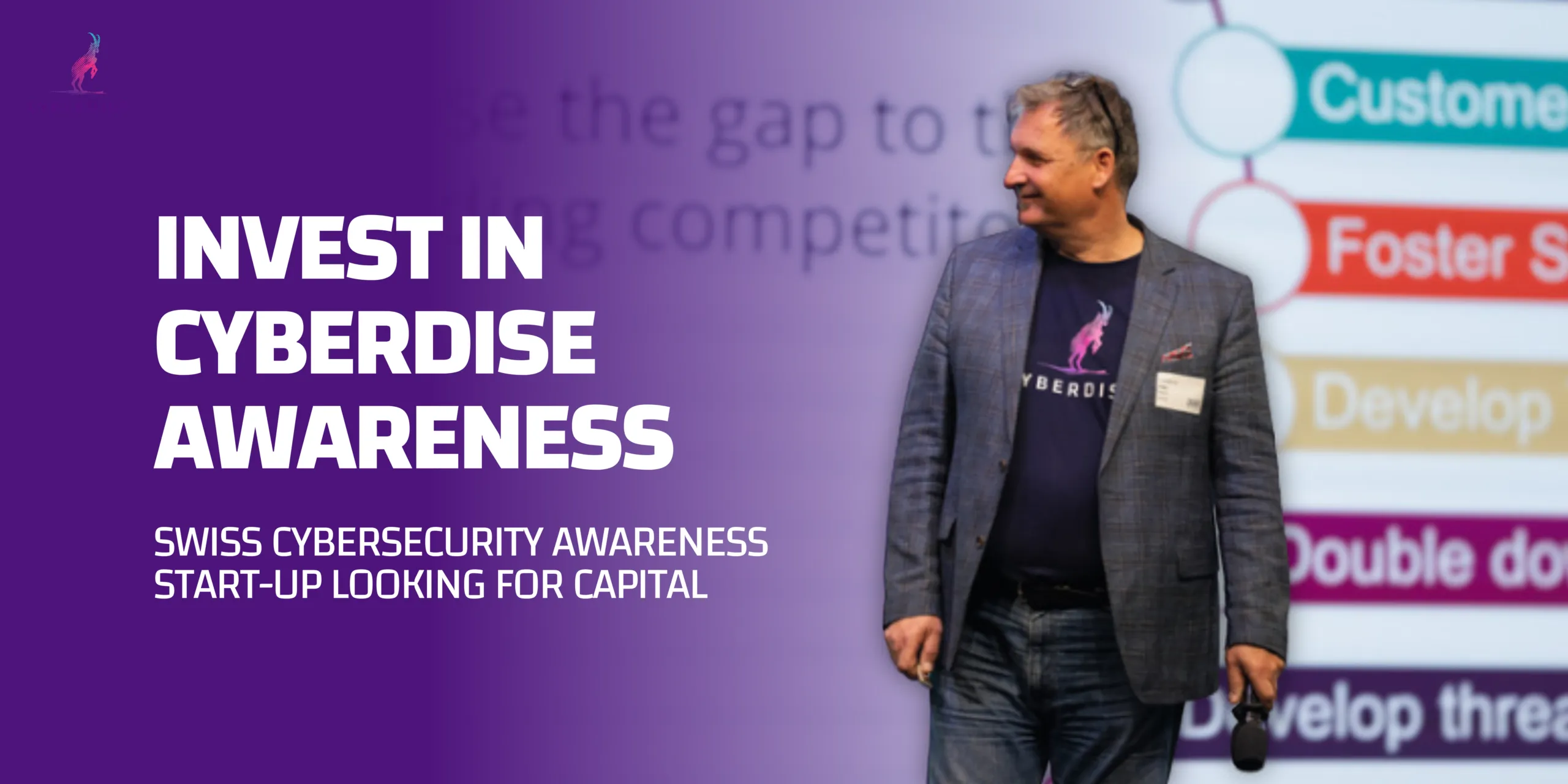
Title card: "The biggest cyber heists in history: The bybit, MGM and Sony hacks" beside a smiling speaker in Cyberdise shirt
threat-landscapeThe biggest cyber heists in history: The bybit, MGM and Sony hacks - similarities, effects, damage and awareness potentials

In our irregular series on the biggest cyber heists in history, this post analyzes the Bybit, MGM and Sony hacks: what happened, how it happened, who noticed it, what damage was done and what the consequences were. At the end, we compare the cases and consider what could have been done better, also from a cybersecurity awareness perspective.

Title card: "GDPR vs NIS2 vs ISO 27001: Is there any difference?" with a puzzled cartoon man holding a magnifying glass
awarenessGDPR vs NIS2 vs ISO 27001: Is There Any Difference?

Compliance is a cornerstone of trust, security and resilience, yet telling GDPR, NIS2 and ISO 27001 apart can feel like solving a puzzle. Here is what each framework requires, what non-compliance risks and how the three interconnect.

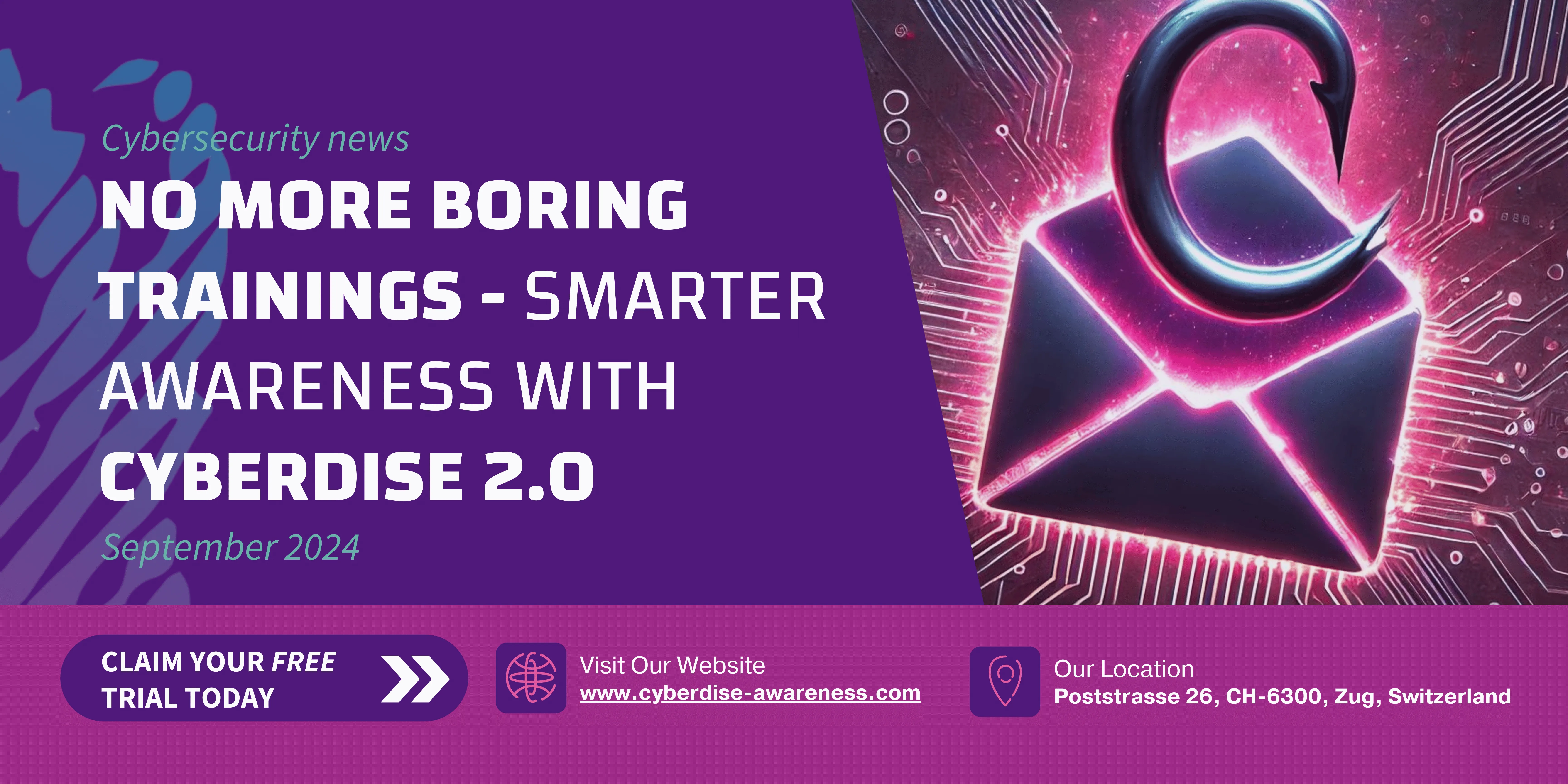
Banner: "No more boring trainings – smarter awareness with Cyberdise 2.0", next to an envelope caught on a fishing hook
productThe Universal Simulation and Awareness Solution: Cyberdise 2.0

Cyber threats are evolving rapidly, and an organization's defense starts with its people. Cyberdise 2.0 is a comprehensive cybersecurity awareness platform, developed to make employees smarter and more aware of the risks they face every day.

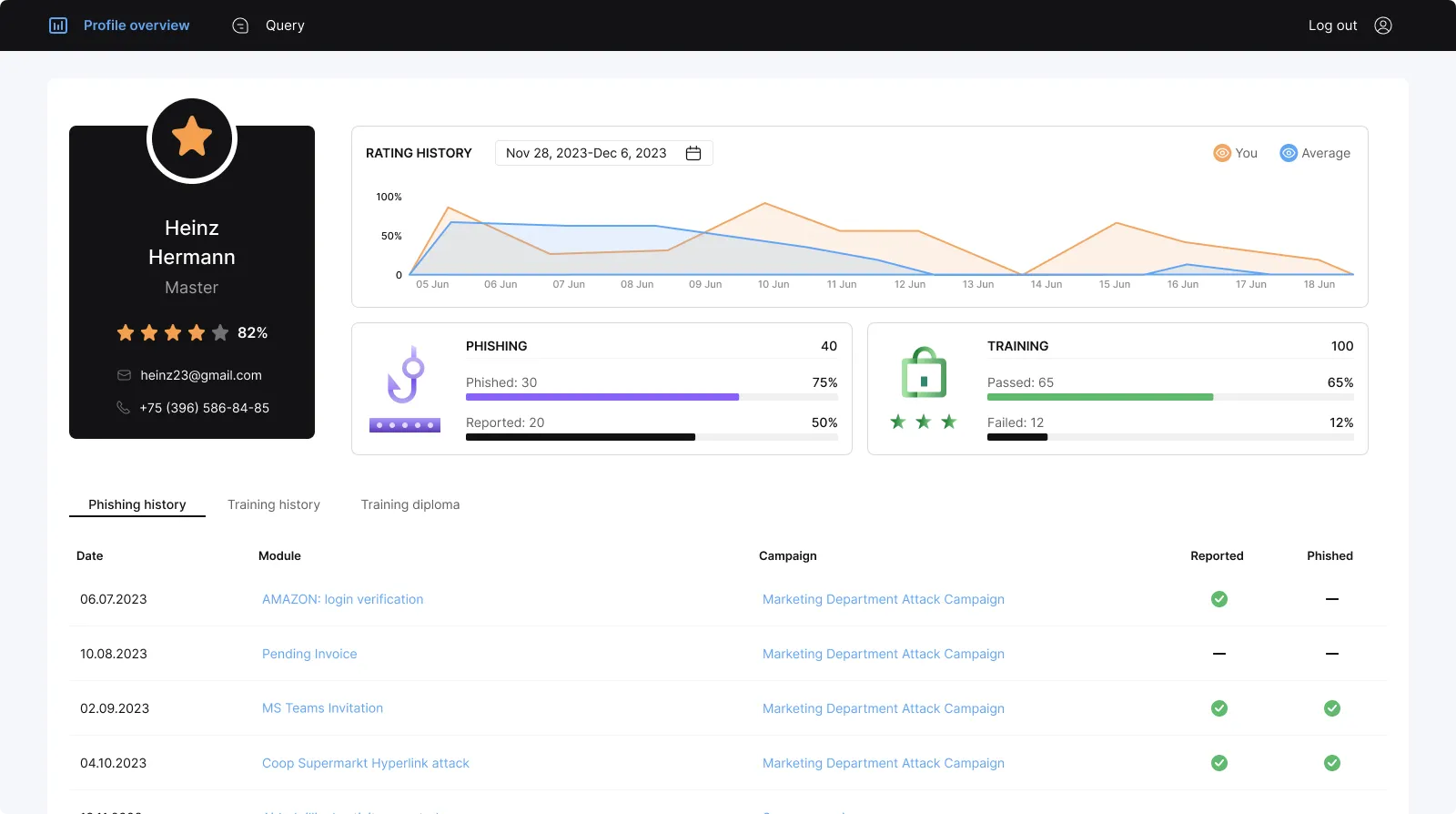
Screenshot of a recipient's profile overview: rating history chart, phishing and training results, and phishing history table
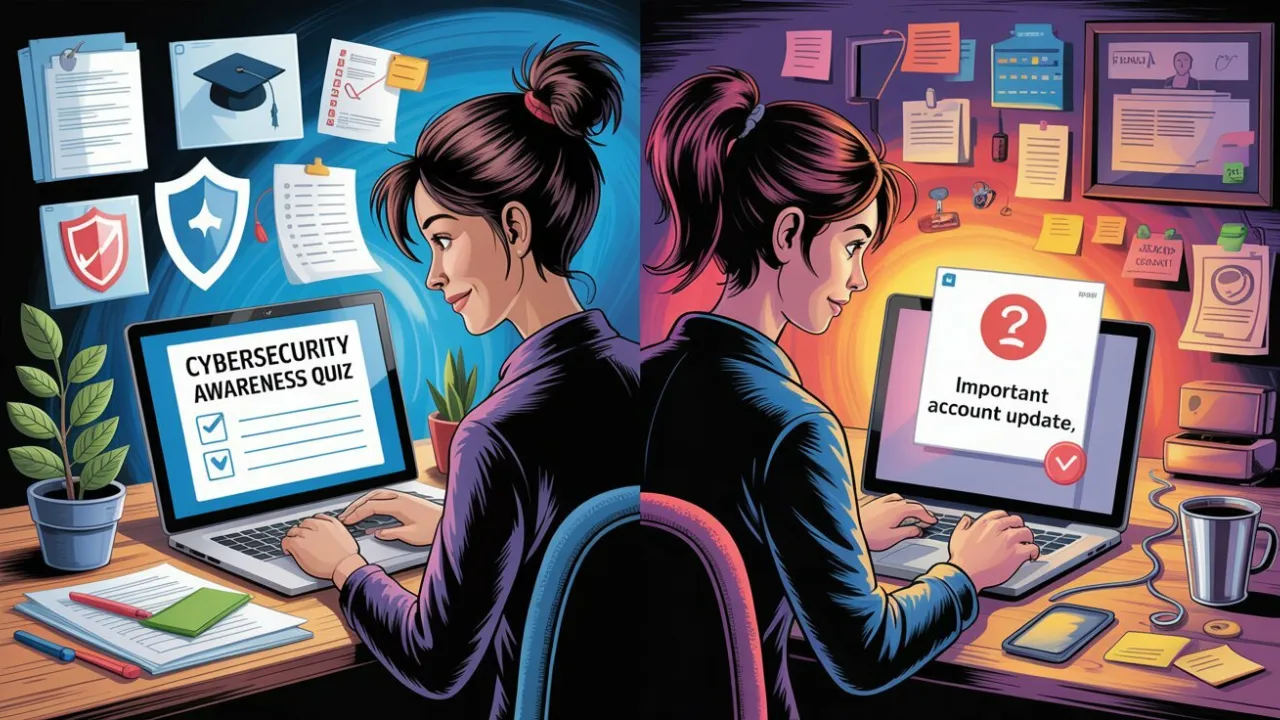
awarenessWhich cyber training has the greatest learning effect?

Well over 60% of all hacker attacks are phishing attacks that target human vulnerabilities, so employees must be able to recognize them. This article looks at which e-learning formats for cyber training are most effective and achieve the greatest learning effect.